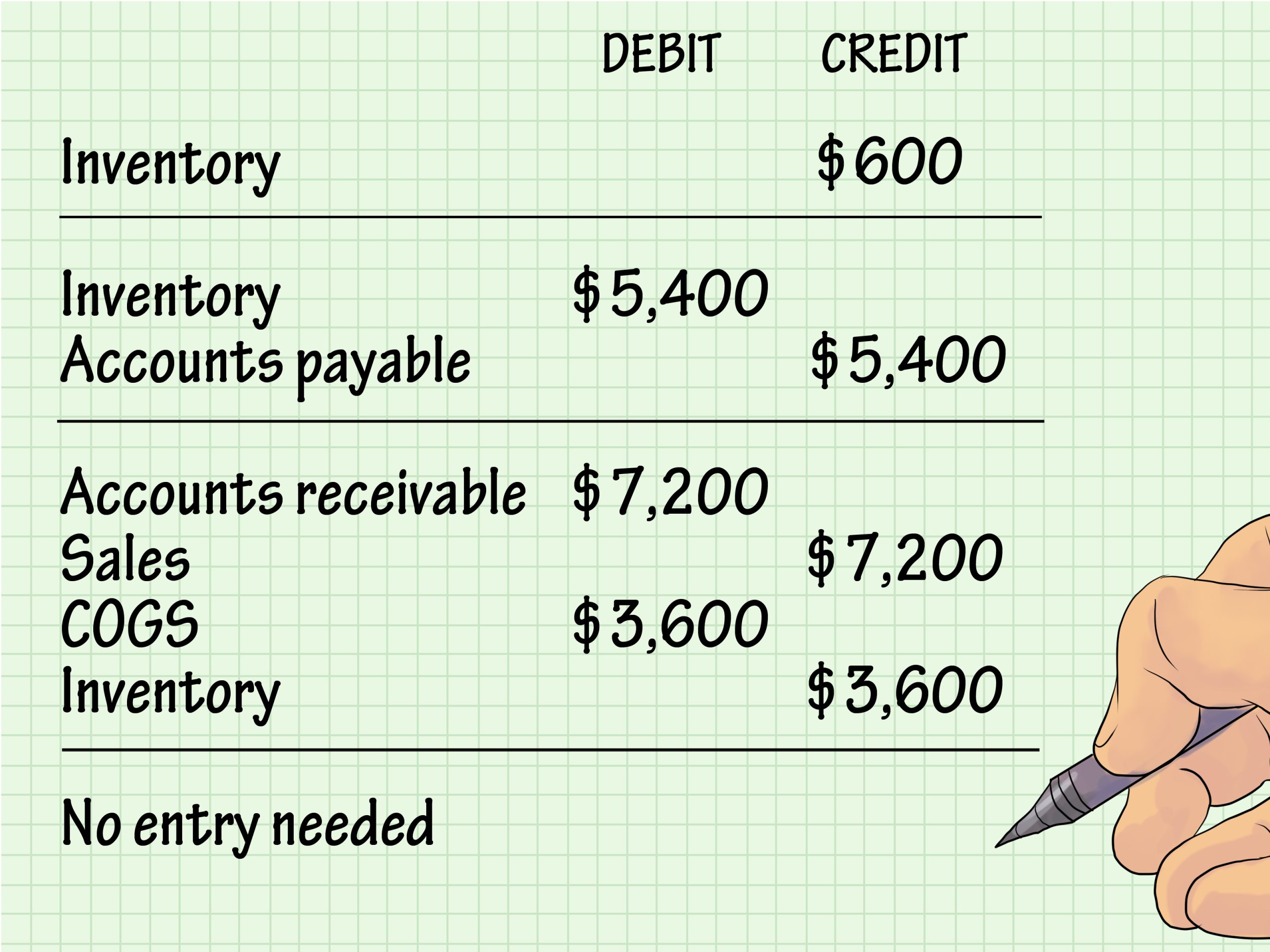
Welcome, dear reader! Have you ever wondered why implementing an inventory accounting system is crucial for your business? In today’s fast-paced and competitive market, having an efficient inventory accounting system in place can make all the difference. From tracking stock levels to managing costs, a well-implemented system can help streamline operations and improve overall business performance. In this article, we will explore the significance of implementing an inventory accounting system and how it can benefit your business in the long run.
Importance of Inventory Accounting
Inventory accounting is a crucial aspect of any business, regardless of its size or industry. It plays a vital role in providing accurate financial information and helping management make informed decisions. Inventory is one of the most significant assets for many businesses, especially those involved in retail or manufacturing. Therefore, having an efficient inventory accounting system is essential to ensure that the company’s assets are properly managed and accounted for.
One of the primary reasons why inventory accounting is so important is that it directly impacts a company’s financial statements. Inventory is typically one of the largest items on a company’s balance sheet, and its valuation can have a significant impact on the company’s profitability and financial health. Proper inventory accounting ensures that inventory is accurately valued and reported in the financial statements, providing stakeholders with a clear picture of the company’s financial position.
Accurate inventory accounting also plays a crucial role in helping management make strategic decisions. By having real-time information on inventory levels, costs, and turnover rates, management can make informed decisions about production, pricing, and purchasing. This can help the company optimize its inventory management, reduce carrying costs, and improve overall profitability. Without accurate inventory accounting, management may make decisions based on incorrect or outdated information, leading to inefficiencies and missed opportunities.
Inventory accounting is also important for compliance and regulatory reasons. Companies are required to accurately report their financial information to stakeholders, investors, and government agencies. This includes providing accurate information about inventory levels, value, and cost of goods sold. Failure to maintain accurate inventory records and report them appropriately can lead to compliance issues, penalties, and even legal consequences.
Furthermore, inventory accounting helps businesses track and prevent inventory shrinkage and theft. By maintaining accurate records of inventory levels and transactions, companies can quickly identify any discrepancies or irregularities in their inventory. This allows them to take timely action to investigate and address any issues, preventing potential losses and maintaining control over their assets.
In conclusion, inventory accounting is a critical function for businesses of all sizes. It provides vital information for financial reporting, decision-making, compliance, and asset protection. Implementing an efficient inventory accounting system can help companies improve their financial performance, reduce costs, and stay competitive in today’s fast-paced business environment.
Types of Inventory Accounting Systems
Inventory accounting systems can vary depending on the needs and size of a business. There are several types of inventory accounting systems that companies can choose from. Here are some common types:
1. Perpetual Inventory System: This system involves keeping track of inventory levels in real-time. Every time a product is bought or sold, the quantity on hand is updated immediately. This helps businesses have a more accurate and up-to-date view of their inventory levels at all times. It also helps in identifying any discrepancies between the physical inventory and the recorded inventory levels.
2. Periodic Inventory System: In contrast to the perpetual inventory system, the periodic inventory system involves physically counting and recording inventory levels at specific intervals, such as monthly, quarterly, or annually. This method is less detailed than the perpetual system but is often used by smaller businesses with a lower volume of inventory. It is also less costly and time-consuming compared to the perpetual system.
With the periodic inventory system, businesses only update their inventory records at the end of the counting period based on the physical count. This method may lead to discrepancies between the actual inventory levels and recorded levels, especially if there are issues like theft, damage, or shrinkage that occur between counting periods.
3. Weighted Average Cost Inventory System: This system calculates the average cost of inventory items by taking into account the costs of all units available for sale during the period. It is especially useful when a business sells identical products at different prices throughout the accounting period. The weighted average cost is determined by dividing the total cost of goods available for sale by the total number of units available for sale.
4. FIFO (First-In, First-Out) Inventory System: Under the FIFO inventory system, the oldest inventory items purchased or produced are the first to be used or sold. This means that the cost of goods sold reflects the cost of the oldest inventory items in stock. FIFO is a common method used by businesses to calculate inventory costs, as it generally aligns with the natural flow of inventory and prevents old stock from sitting on the shelves for too long.
5. LIFO (Last-In, First-Out) Inventory System: The LIFO inventory system operates in the opposite manner of FIFO, where the last inventory items purchased or produced are the first to be used or sold. This means that the cost of goods sold reflects the cost of the most recently acquired inventory items. LIFO is less commonly used compared to FIFO due to its impact on tax calculations, as it can result in higher costs of goods sold and lower taxable income.
Implementing an Inventory Accounting System
Implementing an inventory accounting system is a crucial step for any business looking to effectively manage their inventory and streamline their accounting processes. There are several key steps involved in this process, from selecting the right software to training staff on how to use it effectively. Let’s take a closer look at some of the key steps involved in implementing an inventory accounting system.
1. Choosing the Right Software
The first step in implementing an inventory accounting system is choosing the right software for your business. There are many different options available, from basic spreadsheet programs to more advanced, specialized inventory management software. It’s important to carefully consider your business needs and budget when selecting a software solution. Look for a system that is user-friendly, scalable, and able to integrate with your existing accounting software.
2. Data Migration
Once you have selected the right software for your business, the next step is to migrate your existing inventory data into the new system. This involves transferring all of your product information, stock levels, and transaction history into the new software. Depending on the complexity of your inventory data, this can be a time-consuming process. It’s important to carefully review and clean up your data before migrating it to ensure that your new system is accurate and up-to-date.
3. Training and Education
One of the most important steps in implementing an inventory accounting system is training your staff on how to use the new software effectively. This involves providing comprehensive training sessions for all employees who will be using the system, from warehouse workers to accounting staff. Training should cover everything from how to input new stock items to how to run reports and analyze inventory data. It’s also important to provide ongoing support and resources for staff as they become more familiar with the system.
Additionally, it can be helpful to designate a team of “power users” within your organization who are responsible for mastering the new inventory accounting system and helping to train others. These power users can serve as a valuable resource for troubleshooting issues, answering questions, and ensuring that the system is being used effectively throughout the organization.
By investing time and resources into proper training and education for your staff, you can ensure that your inventory accounting system is implemented successfully and that your business is able to fully leverage the benefits of the new software.
Benefits of an Effective Inventory Accounting System
Having an effective inventory accounting system in place can offer various advantages to businesses, regardless of their size or industry. From reducing costs to improving customer satisfaction, here are some key benefits of implementing a solid inventory accounting system:
1. Improved Accuracy: One of the main benefits of an effective inventory accounting system is improved accuracy in tracking and managing inventory levels. By utilizing tools such as barcode scanners and integrated software, businesses can minimize errors in their inventory counts and ensure that they have the right amount of stock on hand at all times.
2. Cost Savings: Another advantage of a good inventory accounting system is the potential for cost savings. By accurately tracking inventory levels and monitoring sales trends, businesses can avoid overstocking on slow-moving items and reduce the risk of stockouts on popular products. This can ultimately lead to lower carrying costs and increased profitability.
3. Enhanced Decision-Making: With real-time data on inventory levels and sales performance, businesses can make more informed decisions when it comes to purchasing, pricing, and promotions. An effective inventory accounting system can provide valuable insights into which products are selling well and which ones are underperforming, allowing businesses to adjust their strategies accordingly.
4. Streamlined Operations: A well-designed inventory accounting system can help streamline operations by automating tasks such as reordering, receiving, and reconciling inventory. By reducing the need for manual data entry and paperwork, businesses can save time and resources that can be allocated to other important tasks.
Furthermore, an efficient inventory accounting system can also improve communication and collaboration among different departments within a company. By providing real-time updates on inventory levels and sales, employees can work together more effectively to meet customer demands and optimize the supply chain.
5. Increased Customer Satisfaction: Lastly, an effective inventory accounting system can lead to increased customer satisfaction. By ensuring that products are readily available and orders are fulfilled in a timely manner, businesses can enhance the overall shopping experience for their customers. This can result in repeat purchases, positive reviews, and ultimately, loyal customers who are more likely to recommend the business to others.
In conclusion, implementing an effective inventory accounting system can bring about numerous benefits for businesses, ranging from improved accuracy and cost savings to enhanced decision-making and streamlined operations. By investing in the right tools and technologies, businesses can maximize efficiency, reduce waste, and ultimately, drive success in today’s competitive marketplace.
Common Pitfalls in Inventory Accounting
When it comes to managing inventory, there are several common pitfalls that many businesses fall into. By being aware of these pitfalls, you can take steps to avoid them and ensure that your inventory accounting system runs smoothly. Here are five common pitfalls in inventory accounting:
1. Poor Documentation: One of the biggest mistakes that businesses make in inventory accounting is not keeping accurate documentation of their inventory transactions. Without proper documentation, it can be difficult to track where inventory is coming from and where it is going. This can lead to discrepancies in your inventory levels and make it challenging to reconcile your inventory records.
2. Lack of Regular Reconciliation: Another common pitfall in inventory accounting is failing to regularly reconcile your physical inventory with your records. Without regular reconciliation, you may not be aware of discrepancies between what is actually in your inventory and what is recorded in your system. This can lead to inaccurate financial reporting and potential losses for your business.
3. Over-reliance on Manual Processes: Relying too heavily on manual processes for inventory accounting can also lead to errors and inefficiencies. Manual data entry is prone to mistakes, and without automation, it can be time-consuming to keep track of inventory movements. Investing in inventory management software can help streamline processes and reduce the risk of errors.
4. Failure to Forecast Demand: Not accurately forecasting demand for your products can result in excess inventory or stockouts. Excess inventory ties up valuable resources and can lead to write-offs, while stockouts can result in lost sales and dissatisfied customers. By using historical data and market trends to forecast demand, you can optimize your inventory levels and avoid costly mistakes.
5. Ignoring the Impact of Seasonality: Another common pitfall in inventory accounting is ignoring the impact of seasonality on your inventory levels. Seasonal fluctuations in demand can have a significant impact on your inventory turnover rates and storage costs. Failing to plan for these fluctuations can result in excess inventory during slow periods and stockouts during peak seasons. It is important to consider seasonality when setting reorder points and adjusting inventory levels to meet changing demand.
Overall, by being aware of these common pitfalls in inventory accounting, you can take proactive steps to avoid them and improve the efficiency and accuracy of your inventory management system.
Originally posted 2025-03-18 09:00:00.